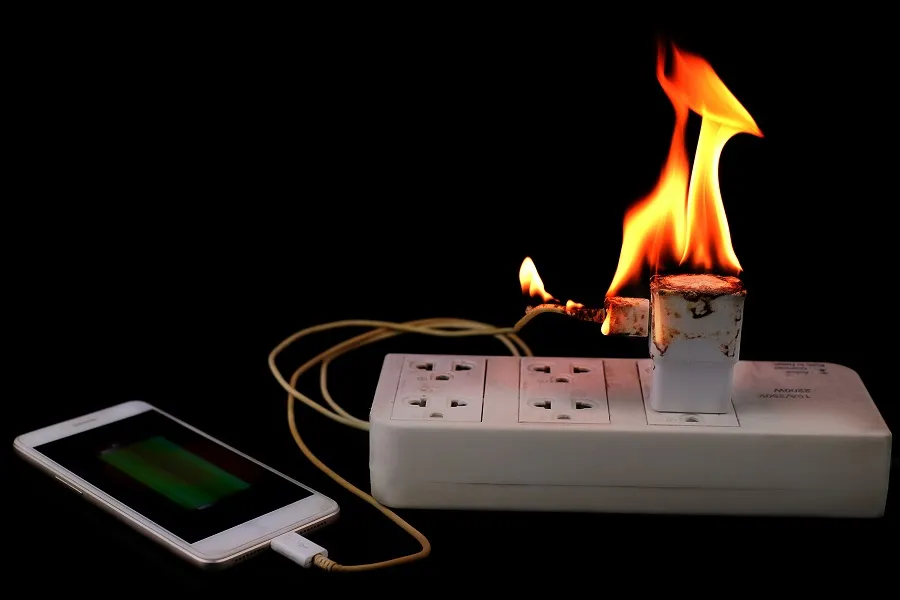
Identify common electrical risks, improve staff awareness and deliver consistent safety induction training across your workforce.
Electrical hazards remain a serious workplace risk across the UK, from construction sites and workshops to warehouses, schools, healthcare settings and offices. A clear approach to electrical safety helps employers reduce the risk of shock, burns, fire and equipment-related incidents.
This guide explains common workplace electrical hazards in the UK, practical control measures and how induction training helps businesses deliver consistent electrical safety awareness from day one.
Who this guide is for
Employers and business owners
Health and safety managers
Site managers and supervisors
Facilities and maintenance teams
HR and onboarding teams
Contractors and subcontractor coordinators
Compliance and operations teams
What are workplace electrical hazards?
Workplace electrical hazards are risks of injury, fire or damage caused by electrical systems, equipment or unsafe working practices.
These hazards can occur in many environments, including:
construction and demolition sites
warehouses and factories
workshops and maintenance areas
offices and commercial premises
public buildings and council facilities
temporary workplaces and event sites
Electrical risks can involve fixed installations, portable equipment, damaged cables, poor maintenance, unsafe modifications or work carried out near live systems.
Why electrical safety matters in UK workplaces
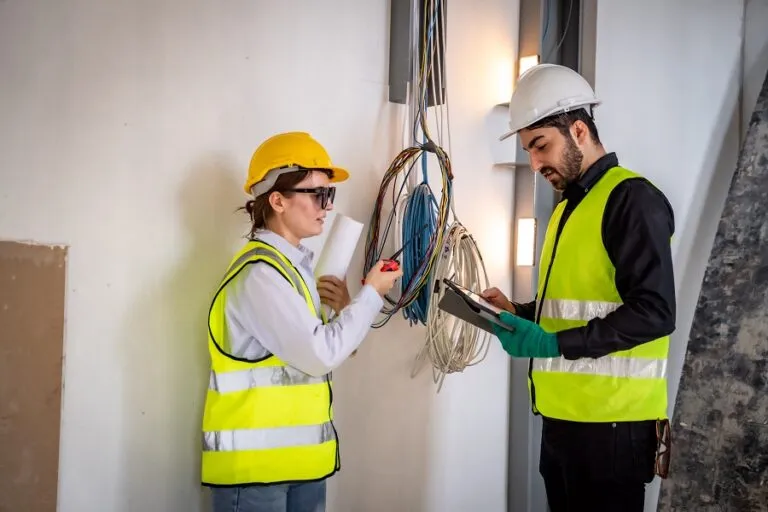
Electricity can cause serious injury and fatal incidents when risks are not properly controlled. The Health and Safety Executive (HSE) provides dedicated guidance on electrical safety, including risk assessment, precautions, legal responsibilities and common injury risks. HSE also notes that around 1,000 electrical accidents at work are reported each year and about 25 people die from electrical injuries annually.
A strong electrical safety approach helps organisations:
reduce injuries and near misses
prevent fires and equipment damage
improve compliance and due diligence
support safer maintenance and contractor work
build stronger day-to-day safety awareness
UK electrical safety framework (high-level)
The UK’s dedication to electrical safety is grounded in a comprehensive set of rigorous standards and regulations. At the heart of these is the BS 7671, widely known as the Wiring Regulations, which establishes the criteria for electrical installations. Organizations such as the Health and Safety Executive (HSE) and the Institution of Engineering and Technology (IET) play key roles in formulating guidelines that protect workers, stressing the importance of a unified safety approach throughout the country. These regulations are dynamic, evolving with technological progress and insights gained from past incidents, ensuring that the safety framework remains both up-to-date and thorough.
Common electrical hazards in UK workplaces
Electrical hazards can vary by industry, but these are among the most common.
1) Damaged cables and wiring
Frayed cables, deteriorated insulation and damaged plugs can expose live conductors and increase the risk of electric shock, burns and fire.
2) Faulty or poorly maintained equipment
Tools, appliances and machinery that are damaged or not maintained properly can become unsafe to use.
3) Overloaded sockets and circuits
Overloading extension leads, adaptors or circuits can cause overheating and increase fire risk.
4) Unsafe use of extension leads
Trailing leads, inappropriate extension use and daisy-chaining adaptors can create both electrical and trip hazards.
5) Water near electrical equipment
Water and electricity are a dangerous combination, especially in cleaning, maintenance, outdoor work and wet environments.
6) Work near live electrical systems
Maintenance, installation and repair activities near live systems can expose workers to shock, burns or arc-related injury if controls are poor.
7) Poor housekeeping and access control
Cluttered work areas, blocked access to isolators or uncontrolled public/worker access to electrical zones can increase risk during normal operations and emergencies.
Warning signs employers should not ignore
damaged plugs, sockets or switchgear
scorch marks or overheating smells
tripping breakers or repeated faults
buzzing sounds from equipment or fittings
makeshift repairs or taped cables
equipment used in ways it was not intended for
workers unsure of isolation or reporting procedures
These signs should trigger inspection, isolation (where appropriate) and follow-up by competent personnel.
How to reduce electrical hazards at work
A practical electrical safety plan should combine engineering controls, safe systems of work, maintenance and worker training.
Core control measures
Carry out suitable risk assessments
Maintain installations and equipment in safe condition
Remove damaged equipment from use promptly
Use competent persons for installation, inspection and repairs
Control access to electrical rooms and live work areas
Keep cables, sockets and distribution areas tidy and protected
Use correct equipment for the environment (including wet/dusty areas)
Provide clear reporting and escalation procedures for faults
Safe working practices
HSE also publishes guidance on safe working practices and broader electrical safety topics, including precautions and PAT information.
The role of induction training in electrical safety
Electrical safety is not only an engineering issue. It is also a training and supervision issue.
Induction training helps employers make sure workers understand:
common electrical hazards in their workplace
what they can and cannot do
how to report faults and damaged equipment
emergency response basics
site-specific rules around isolation, permits and restricted areas
who to contact if an electrical risk is identified
This is especially important for:
new employees
temporary workers
visitors entering operational areas
staff moving between sites
Your existing page already makes this connection well by linking prevention and risk management with induction training.
How INDUCT FOR WORK helps improve electrical safety induction delivery
INDUCT FOR WORK helps UK organisations deliver electrical hazard awareness and workplace safety induction content in a more consistent and trackable way.
Deliver induction training online
Workers and contractors can complete required induction training before starting work or before arriving on site.
Build role-based safety inductions
Create different inductions for:
office staff
maintenance teams
contractors
site workers
supervisors
visitors
This helps keep electrical safety information relevant to each role.
Use quizzes and acknowledgements
Confirm understanding of key safety points and collect acknowledgements for site rules and reporting obligations.
Track completion and records
Maintain clear records of who completed training and when, supporting internal reporting and audit readiness.
Support mobile and multilingual delivery
Help mixed workforces access safety content more easily across devices and languages.
Automate reminders and refreshers
Use re-invites and reminders to help keep training current and reduce manual follow-up.
(These capabilities align with feature areas shown in your site navigation, including online training, onboarding, quizzes, reporting, record keeping, 55+ languages and auto re-invite.)
What a good electrical hazard induction should include
A practical electrical hazard awareness induction module can include:
common electrical risks in your workplace
examples of unsafe equipment conditions
reporting process for faults and damage
who may carry out repairs (and who may not)
isolation / lock-off awareness (role appropriate)
emergency response and escalation
site-specific restricted areas
contractor rules and document requirements
short knowledge check / quiz
acknowledgement and signature
Frequently asked questions about workplace electrical hazards (UK)
Common hazards include damaged cables, faulty equipment, overloaded sockets, unsafe extension lead use, water near electrical equipment and poor maintenance or unsafe work near live systems.
Yes. Many incidents involve general workers using equipment or working around hazards. Basic awareness training helps workers identify risks and report problems early.
HSE provides guidance on PAT and what the law says about testing equipment, but businesses should focus on a risk-based approach to maintaining equipment safety rather than assuming a single fixed test routine for everything.
New employees, contractors, temporary workers, maintenance staff and anyone working in environments where electrical equipment or installations are present should receive relevant induction content.
Yes. Induct For Work induction training software can be used to deliver site or workplace safety induction content before arrival and keep records of completion.
Improve electrical safety awareness and induction records with INDUCT FOR WORK
If your organisation needs a better way to deliver workplace safety induction training and track completion across staff and contractors, INDUCT FOR WORK can help.
Use INDUCT FOR WORK to:
deliver electrical hazard awareness induction online
assign role-based safety training
collect acknowledgements and signatures
track completion and refresher status
support mobile and multilingual access
reduce manual admin for H&S and onboarding teams
Next step
Book a demo to see a digital safety induction workflow or start a free trial to build your own workplace electrical hazard induction process.